☰ Menu Table of Contents Introduction Service Overview Studio & Quality Performance & Results Client Experience Price Comparison Pros & Cons Healing & Maintenance

0481 084 279
elitelookbyelena@gmail.com

In the realm of beauty and cosmetics, trends are constantly evolving, and one fascinating trend that has gained popularity in recent years is lip tattooing. Lip tattoo, also known as permanent makeup or cosmetic tattooing, is a technique that involves depositing pigments into the lips to enhance their natural color and shape. This innovative procedure offers a long-lasting solution for individuals who desire beautifully tinted lips without the hassle of frequent touch-ups. In this article, we will explore the world of lip tattooing, including its benefits, process, aftercare, and important considerations. So, if you’re curious about this unique beauty procedure, read on to discover more.
Understanding Lip Tattooing:
The Lip Tattoo Process:
Aftercare for Lip Tattoos:
Important Considerations:
Lip tattooing offers a unique and long-lasting solution for individuals seeking enhanced lip color and definition. With careful consideration, proper aftercare, and the expertise of a qualified professional, you can achieve beautiful and natural-looking lip tattoos that align with your desired aesthetic. Remember, the decision to get a lip tattoo is personal, so take the time to research, consult with professionals, and make an informed choice. Whether you’re looking to save time on daily makeup routines or desire fuller and more defined lips, lip tattooing can be an exciting option to explore on your beauty journey.
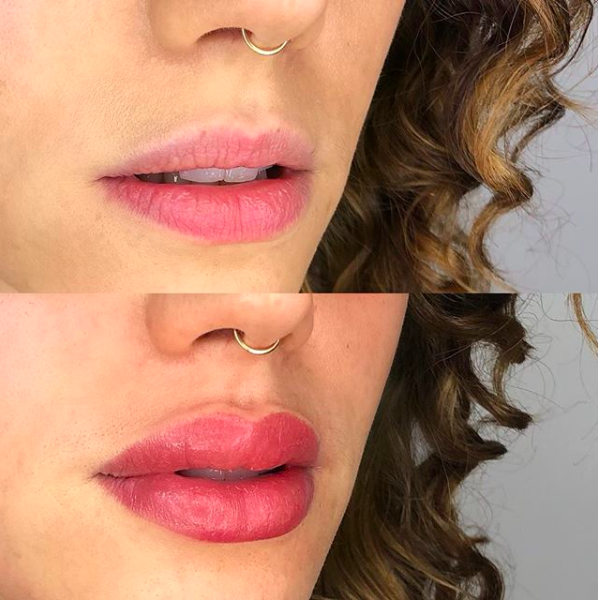
Lip tattooing, also known as permanent makeup or cosmetic tattooing, has gained significant popularity in recent years as a revolutionary beauty procedure. This chapter aims to provide a comprehensive understanding of lip tattooing, its purpose, benefits, and the key differences between temporary lip enhancements and permanent lip tattoos. By delving into the intricacies of this technique, we can grasp why an increasing number of individuals are opting for this long-lasting solution to enhance their lip color and shape.
1.1 Definition and Purpose:
Lip tattooing involves the depositing of pigments into the lips to enhance their natural color and shape. This cosmetic procedure, performed by skilled professionals, aims to provide clients with a semi-permanent or permanent lip color that can replace or supplement traditional lipstick and lip liners. The purpose of lip tattooing is to create a long-lasting, low-maintenance solution for individuals who desire beautifully tinted lips without the need for frequent touch-ups.
1.2 Benefits of Lip Tattooing:
The popularity of lip tattooing can be attributed to its numerous benefits, including:
1.2.1 Time-Saving Convenience:
1.2.2 Enhanced Lip Definition and Shape:
1.2.3 Long-Lasting Results:
1.2.4 Confidence and Convenience in Various Situations:
1.3 Temporary vs. Permanent Lip Enhancements:
It is crucial to distinguish between temporary lip enhancements and permanent lip tattoos to understand the nature of lip tattooing fully.
1.3.1 Temporary Lip Enhancements:
1.3.2 Permanent Lip Tattoos:
Understanding the concept of lip tattooing is essential before delving into the procedure itself. Lip tattoos offer a convenient, long-lasting, and low-maintenance solution for individuals seeking enhanced lip color and definition. By recognizing the benefits and distinguishing between temporary lip enhancements and permanent lip tattoos, one can make an informed decision regarding the suitability of lip tattooing for their personal beauty goals. In the subsequent chapters, we will explore the lip tattooing process, aftercare, and other crucial considerations to ensure a successful and satisfying lip tattoo experience.
In Chapter 1, we gained an understanding of lip tattoo, its purpose, and the benefits it offers. Now, let’s delve into the lip tattoo process itself. This chapter will guide you through each step of the procedure, from the initial consultation to the aftercare required for optimal results. By familiarising yourself with the lip tattoo process, you can approach your lip tattoo experience with confidence and make informed decisions throughout the journey.
2.1 Consultation and Design:
Before undergoing a lip tattoo procedure, a thorough consultation with a qualified professional is essential. During this initial meeting, you and the technician will discuss your desired outcome, preferences regarding lip color and shape, and any concerns or questions you may have. The technician will also assess the condition of your lips, skin type, and existing lip pigmentation, if any.
Based on your preferences and the consultation, the technician will work with you to create a customized lip design. This design will consider factors such as lip symmetry, the natural shape of your lips, and your skin tone to achieve the desired outcome. It is crucial to communicate openly with the technician, expressing your expectations and seeking their professional advice for the most suitable design.
2.2 Numbing and Preparation:
To ensure your comfort during the lip tattoo procedure, a topical numbing cream or local anesthesia may be applied to the lips. This numbing agent helps minimize any potential discomfort or pain. Once the lips are adequately numbed, the technician will proceed with preparing the area for tattooing.
The preparation typically involves cleansing the lips thoroughly to remove any traces of makeup, oils, or debris. This step ensures a clean canvas for the tattooing process and helps minimize the risk of infection or complications.
2.3 Pigment Selection and Application:
The selection of lip pigments is a crucial aspect of the lip tattoo process. The technician will consider your desired lip color, your skin tone, and their professional expertise to choose a pigment that best complements your features. They will discuss the pigment options with you, explaining the color intensity, undertones, and how they may appear on your lips.
Once the pigment is selected, the technician will begin the tattooing process. Using a sterile tattoo needle or a specialized tattoo machine, they will carefully deposit the pigment into the dermis layer of your lips. This process involves precise movements and attention to detail to achieve the desired lip shape and color. Throughout the procedure, the technician will frequently assess the progress and ensure your comfort.
2.4 Healing and Aftercare:
After the lip tattoo procedure is complete, the technician will provide detailed aftercare instructions to promote proper healing and optimal results. It is crucial to follow these instructions diligently to ensure the longevity and appearance of your lip tattoo.
Common aftercare practices may include:
2.5 Touch-Ups and Maintenance:
Lip tattoos may require touch-ups after the initial procedure to ensure the desired color intensity and shape. These touch-ups are usually scheduled after a few weeks to allow the lips to heal fully. The technician will assess the healing progress and make necessary adjustments or enhancements during the touch-up session.
To maintain the longevity of your lip tattoo, it is advisable to follow a few maintenance practices. These may include using a broad-spectrum lip balm with sun protection, avoiding prolonged exposure to UV rays, and moisturising the lips regularly to prevent dryness.
The lip tattoo process involves careful consultation, designing a customised lip shape and color, numbing, pigment application, healing, and aftercare. By understanding each step of the procedure, you can approach your lip tattoo experience with confidence and ensure the best possible outcome. In the next chapter, we will explore crucial considerations and potential risks associated with lip tattooing to help you make an informed decision about this cosmetic procedure.
In the previous chapter, we explored the process of getting a lip blush tattoo, from the consultation to the application of pigments. Now, we will delve into an essential aspect of the lip tattoo journey: aftercare. Proper aftercare is crucial for optimal healing, minimising the risk of complications, and ensuring the longevity and appearance of your lip tattoo. In this chapter, we will discuss the necessary aftercare practices to follow once you have undergone a lip tattoo procedure.
3.1 Immediate Post-Procedure Care:
Immediately after your lip tattoo procedure, it is vital to follow specific care instructions provided by your technician. These instructions may include:
Avoid touching or rubbing your lips: It is essential to refrain from touching or rubbing your lips to prevent the introduction of bacteria and to allow the pigment to settle properly.
Keep the area clean: Gently clean your lips with a mild, fragrance-free cleanser or saline solution provided by your technician. Avoid using harsh soaps or exfoliants, as they can irritate the newly tattooed area.
Apply a healing ointment or balm: Your technician will recommend a suitable healing ointment or balm to apply to your lips. This helps keep the area moisturized and promotes healing. Follow the instructions provided by your technician regarding the frequency and duration of application.
Avoid makeup and other lip products: It is essential to avoid applying makeup, lip gloss, or other lip products on the tattooed area until it has completely healed. These products may contain ingredients that can interfere with the healing process or cause infections.
3.2 Long-Term Aftercare Practices:
In addition to immediate post-procedure care, there are several long-term aftercare practices to follow to ensure the best results for your lip tattoo. Here are some essential guidelines:
Protect your lips from the sun: Sun exposure can fade the pigments and affect the appearance of your lip tattoo. Apply a broad-spectrum lip balm with SPF regularly when exposed to the sun. Additionally, consider using a hat or seeking shade when spending extended periods outdoors.
Avoid excessive moisture: While it is crucial to keep your lips moisturized, excessive moisture can interfere with the healing process. Avoid submerging your lips in water for prolonged periods, such as swimming or excessive steam exposure.
Minimize exposure to certain foods and drinks: In the first few days after your lip tattoo, it is advisable to avoid hot, spicy, acidic, or salty foods and beverages. These can irritate the tattooed area and impede the healing process.
Refrain from picking or scratching: It is essential to resist the urge to pick, scratch, or peel the scabs that form during the healing process. Doing so can lead to scarring or color loss. Allow the scabs to naturally slough off on their own.
Maintain good oral hygiene: Continue practicing good oral hygiene by gently brushing your teeth and tongue, while avoiding direct contact with the tattooed area. Rinse your mouth with a mild, alcohol-free mouthwash after meals to prevent any potential infections.
Attend scheduled touch-up sessions: Depending on the healing process and individual factors, your technician may schedule a touch-up session after a few weeks. It is important to attend these sessions to address any adjustments or enhancements needed for your lip tattoo.
Proper aftercare is essential for ensuring the best possible healing and long-term results for your lip tattoo. By following the immediate post-procedure care instructions and incorporating long-term aftercare practices into your routine, you can minimize the risk of complications, maintain the appearance of your lip tattoo, and enjoy its benefits for years to come. In the next chapter, we will discuss important considerations and potential risks associated with lip tattooing, helping you make an informed decision about this cosmetic procedure.
Before deciding to get a lip tattoo, it is crucial to consider various factors to ensure that it is the right choice for you. In this chapter, we will explore some important considerations that will help you make an informed decision and prepare you for the lip tattooing process.
4.1 Personal Preferences and Expectations:
One of the primary considerations when getting a lip tattoo is your personal preferences and expectations. Ask yourself the following questions:
Why do you want a lip tattoo? Determine your motivation behind getting a lip tattoo. Whether it’s for aesthetic enhancement, correcting asymmetry, or saving time on daily makeup application, understanding your goals will help you communicate them effectively with your technician.
Are you comfortable with the permanence of a lip tattoo? Unlike traditional makeup, lip tattoos are permanent or semi-permanent. Consider whether you are ready for a long-lasting change in your appearance and whether it aligns with your lifestyle and personal style.
Have you researched and gathered enough information? Ensure that you have thoroughly researched lip tattooing, including its benefits, risks, and potential complications. Educate yourself about the procedure, aftercare, and the qualifications and experience of your chosen technician.
4.2 Health and Safety:
Prioritizing your health and safety is paramount when considering any cosmetic procedure. Here are some health-related considerations:
General health conditions: Certain health conditions or medications may affect your eligibility for a lip tattoo. Consult with your healthcare provider and inform your technician about any medical conditions or medications you are currently taking.
Allergies and sensitivities: If you have a history of allergies or sensitivities to cosmetics or tattoo pigments, it is important to discuss this with your technician. They can perform patch tests to identify any potential reactions.
Infection prevention: Ensure that the tattoo studio follows strict hygiene and sterilization practices. The use of disposable needles, gloves, and other sterile equipment is essential to minimize the risk of infections.
4.3 Choosing a Qualified Technician:
Selecting a qualified and experienced technician is vital for a successful lip tattooing experience. Consider the following factors:
Certification and training: Research the technician’s credentials, certifications, and training. Look for professionals who have received proper training in cosmetic tattooing, specifically lip tattooing.
Portfolio and reviews: Request to see their portfolio of previous lip tattoo work to assess their skill and style. Additionally, read reviews and testimonials from past clients to gauge their satisfaction with the technician’s work.
Consultation and communication: Schedule a consultation with the technician before the procedure. This will allow you to discuss your expectations, ask questions, and evaluate their professionalism and communication style.
4.4 Financial Considerations:
Lastly, it is important to consider the financial aspect of getting a lip tattoo:
Cost: Lip tattooing can vary in cost depending on factors such as location, technician’s experience, and studio reputation. Research the average prices in your area to have a realistic expectation of the cost involved.
Touch-up sessions: Keep in mind that lip tattoos may require touch-up sessions to achieve the desired results or maintain the longevity of the tattoo. Inquire about any additional costs for touch-ups and factor them into your budget.
Considering these important factors will help you make an informed decision and ensure a positive lip tattooing experience. Assess your personal preferences and expectations, prioritize your health and safety, choose a qualified technician, and consider the financial aspects. By doing so, you will be well-prepared for the process and can move forward confidently in achieving your desired lip tattoo. In the next chapter, we will explore some popular lip tattoo trends and styles that you can consider for your own unique look.
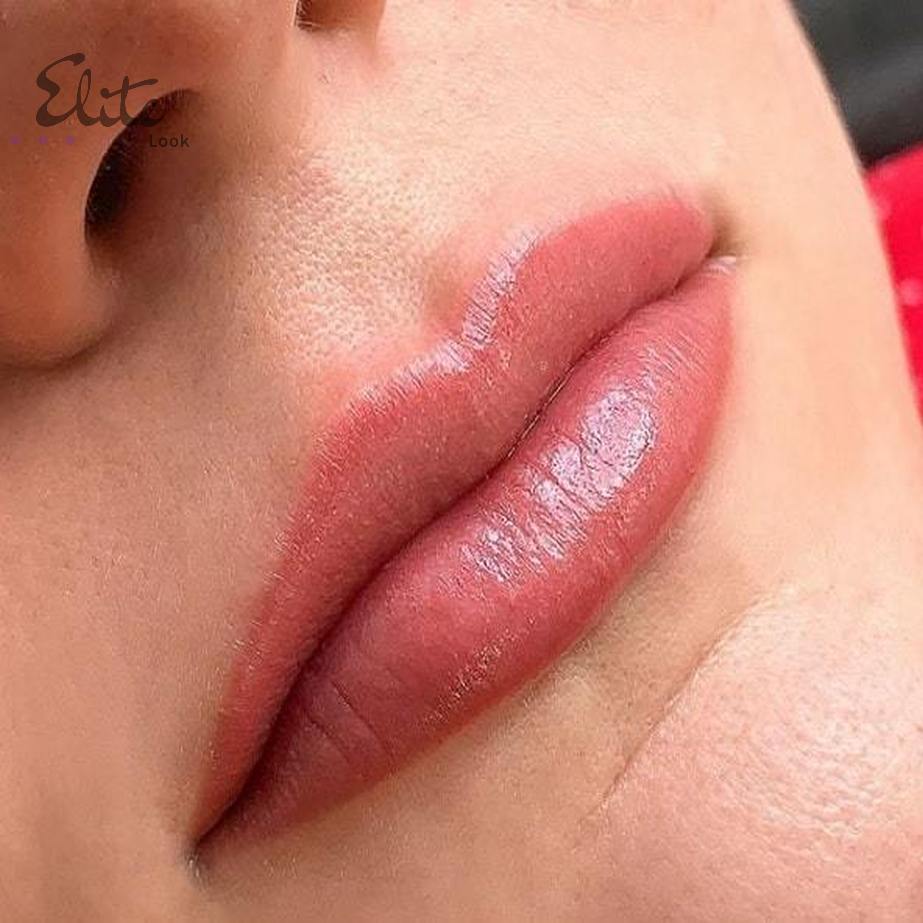
In conclusion, lip tattooing has emerged as a popular cosmetic procedure that offers a long-lasting solution for enhancing the appearance of the lips. Throughout this article, we have delved into the fascinating world of lip tattoos, exploring various aspects from understanding the process to aftercare and important considerations.
Lip tattooing is an intricate process that requires expertise and precision. By understanding the intricacies of the procedure, you can make an informed decision and ensure a successful outcome. We discussed the importance of finding a qualified technician, considering personal preferences and expectations, prioritizing health and safety, and evaluating financial considerations. These factors play a crucial role in ensuring a positive lip tattooing experience.
After getting a lip tattoo, proper aftercare is essential for optimal healing and long-lasting results. By following the guidelines provided by your technician, you can promote healing, prevent complications, and maintain the vibrancy of your lip tattoo. Remember to be patient and diligent during the healing process to achieve the best outcome.
Furthermore, we explored some popular lip tattoo trends and styles that can serve as inspiration for creating your own unique look. Whether you prefer natural-looking enhancements, bold and vibrant colors, or artistic designs, lip tattoos offer a versatile canvas to express your individuality.
It is important to approach lip tattooing with caution and thorough research. Understanding the risks and potential complications associated with the procedure allows you to make an informed decision that aligns with your personal goals and values. Consultation with a qualified technician and open communication will ensure that your expectations are met and that you have realistic expectations for the results.
Lip tattooing can be a transformative experience, providing confidence and convenience. However, it is crucial to remember that everyone’s experience will be unique. Results may vary, and it is important to be prepared for the possibility of touch-up sessions or adjustments to achieve the desired outcome.
Ultimately, the decision to get a lip tattoo is a personal one. By considering the information provided in this article, you are equipped with the knowledge to make an informed choice that aligns with your lifestyle, preferences, and aesthetic goals.
As with any cosmetic procedure, it is always recommended to consult with a qualified professional to discuss your specific needs and expectations. They can guide you through the process, answer any additional questions, and ensure that you have a positive and rewarding lip tattooing experience.
With proper research, careful consideration, and the guidance of a skilled technician, lip tattoos can offer a beautiful and long-lasting enhancement to your lips. Embrace the world of lip tattooing, unleash your creativity, and discover the transformative power it can bring to your overall appearance.
☰ Menu Table of Contents Introduction Service Overview Studio & Quality Performance & Results Client Experience Price Comparison Pros & Cons Healing & Maintenance

Cosmetic Tattooing Services in Bibra Lake Elite Look brings Perth’s finest cosmetic tattooing expertise right to the heart of Bibra Lake and surrounding areas. Located

Why Elite Look is the Best Tattoo Artist in Perth Ever wondered why some tattoo shops in Perth have queues around the block whilst others

Why Elite Look is the Best Permanent Makeup Clinic in Perth 💫 Tired of spending hours every morning perfecting your makeup? Frustrated with smudged eyeliner

Why sugaring is the best hair removal option for Perth summer Why sugaring is the best hair removal option for Perth summer – it’s the

Elite Look services for Perth residents Elite Look services for Perth residents transform your daily beauty routine into effortless confidence. Wake up gorgeous every single

Eyeliner Tattoos That Survive Perth’s Busiest Schedules Eyeliner tattoos are changing the game for busy Perth professionals who want to look polished from sunrise pilates
The Truth About Permanent Makeup in Perth Let’s get straight to it. You’re tired of spending hours in front of the mirror. You’re sick of
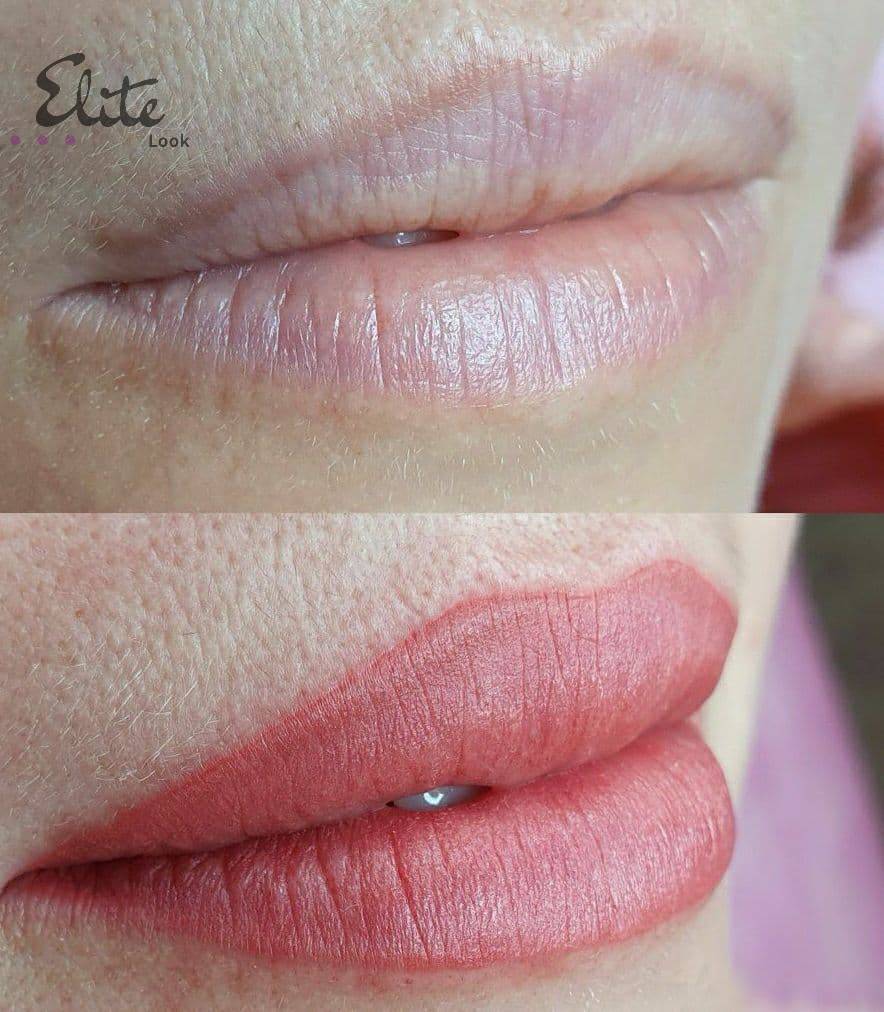
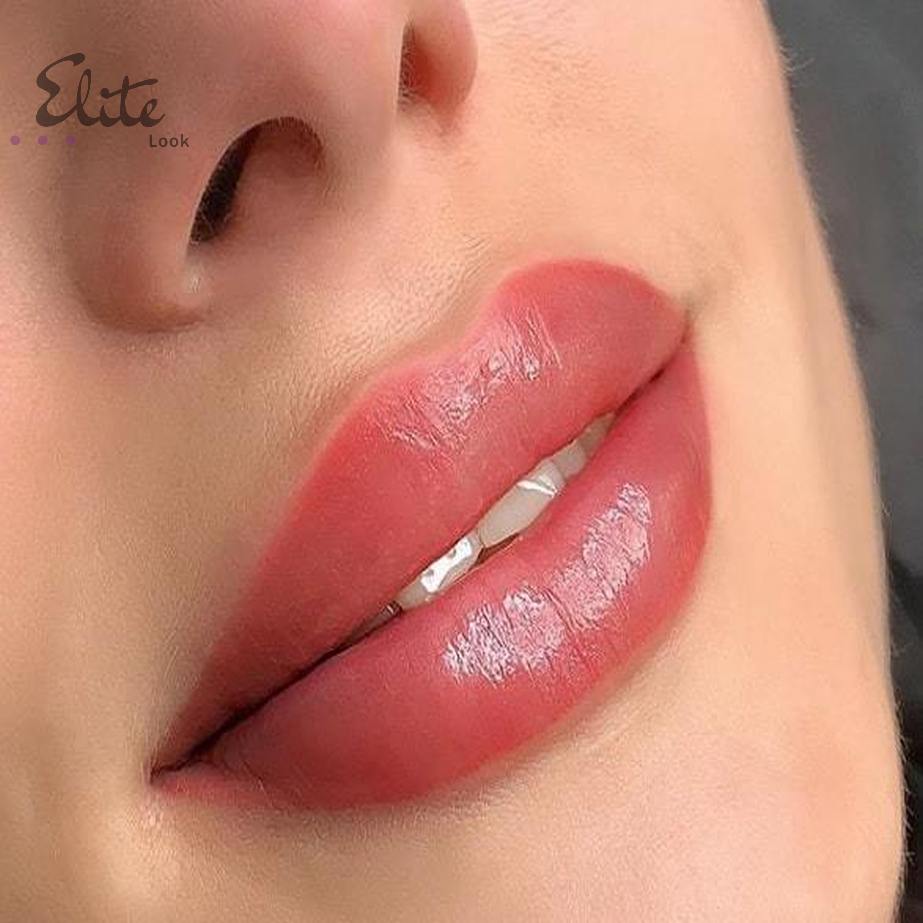
Elite Look cosmetic tattoos in Perth. Elena is a cosmetic specialist and tattooist and in Perth who specialises in the art of creating beautifully natural tattooed lips, brows and eyeliner. Her focus is always on offering clients the best and natural-looking solutions and provide the top quality services to satisfy their lifestyle needs, and physical challenges.
About